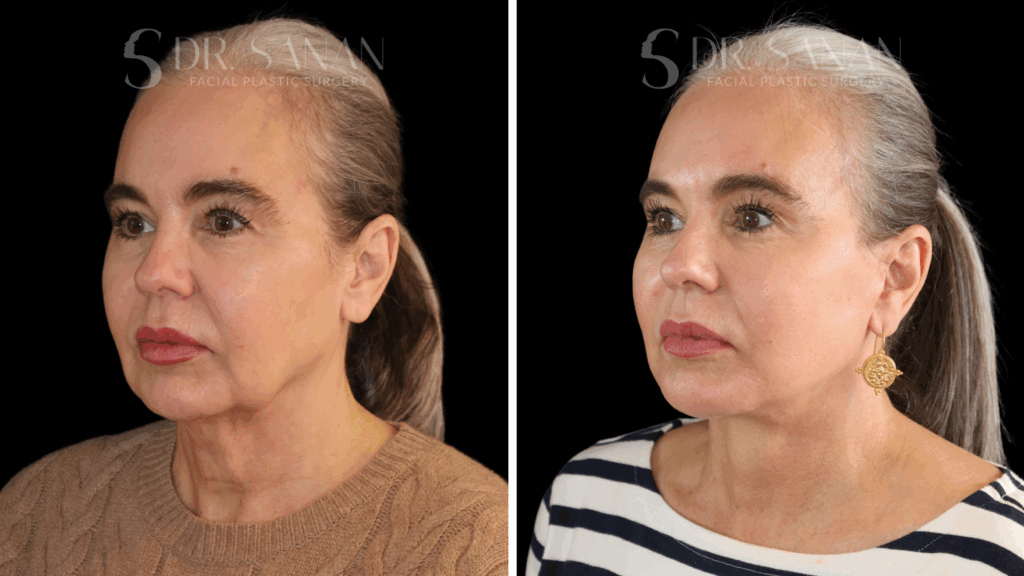
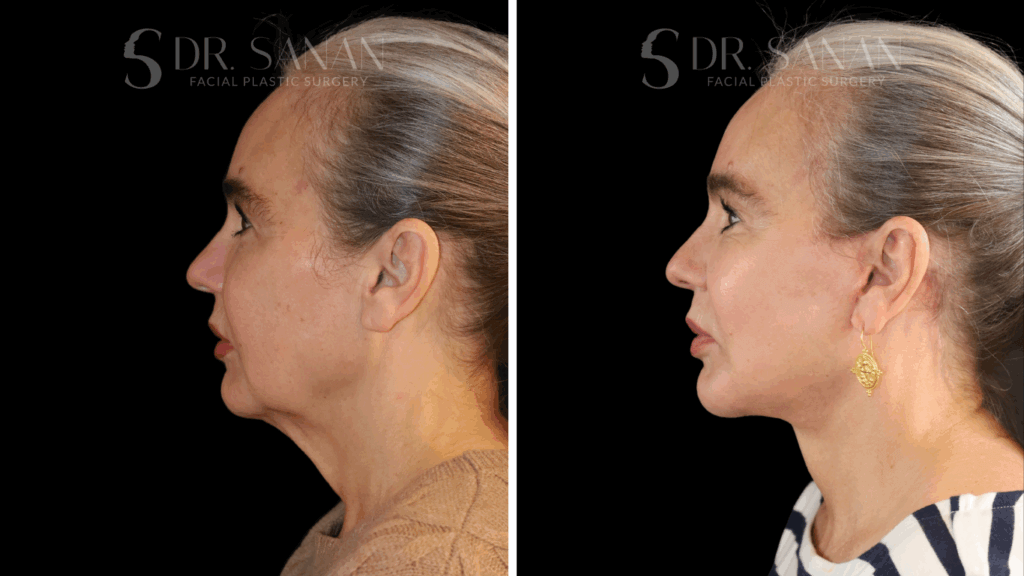
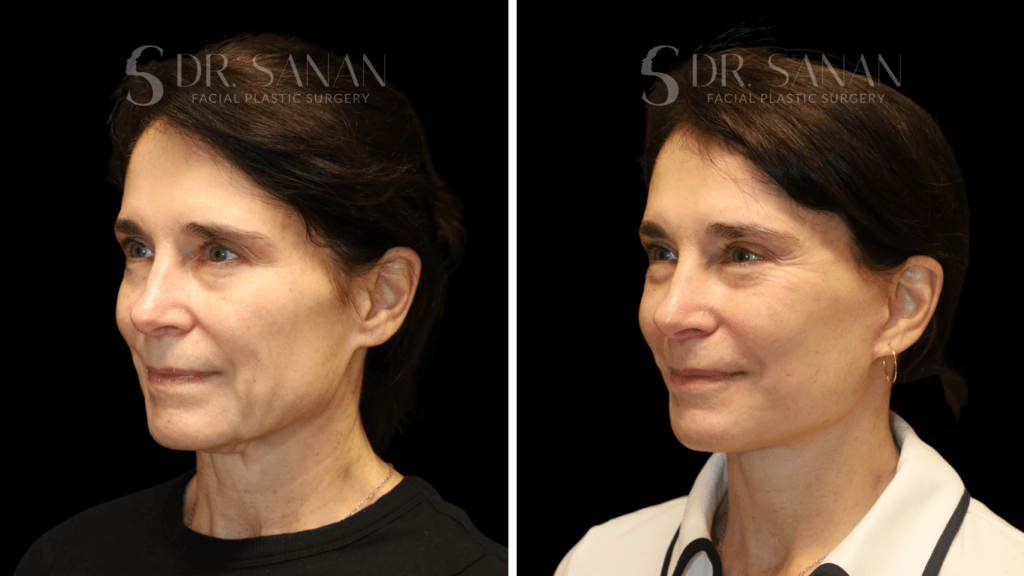
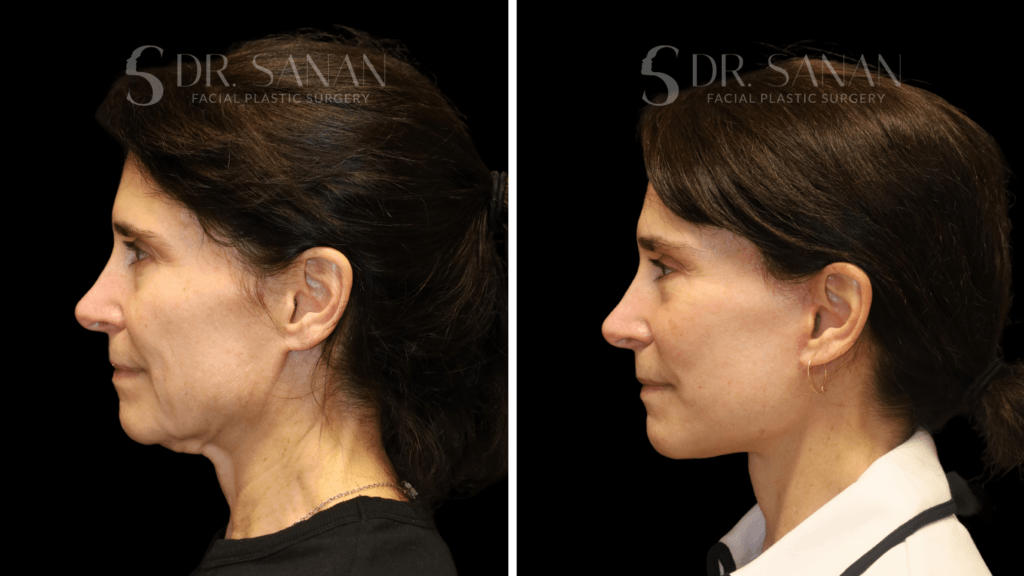
Discover how Dr. Sanan’s preferred surgical techniques and technology improve patients’ results
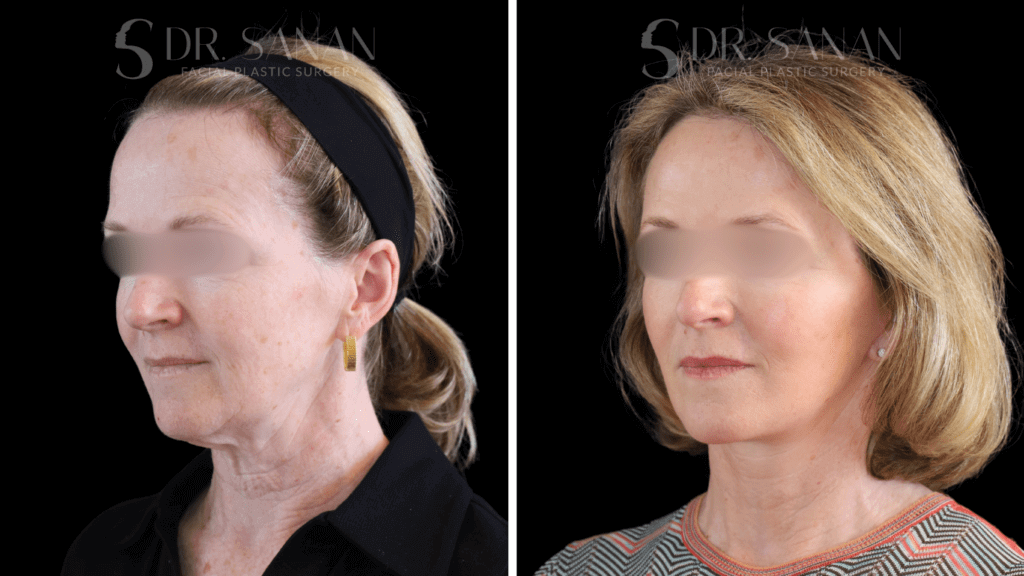
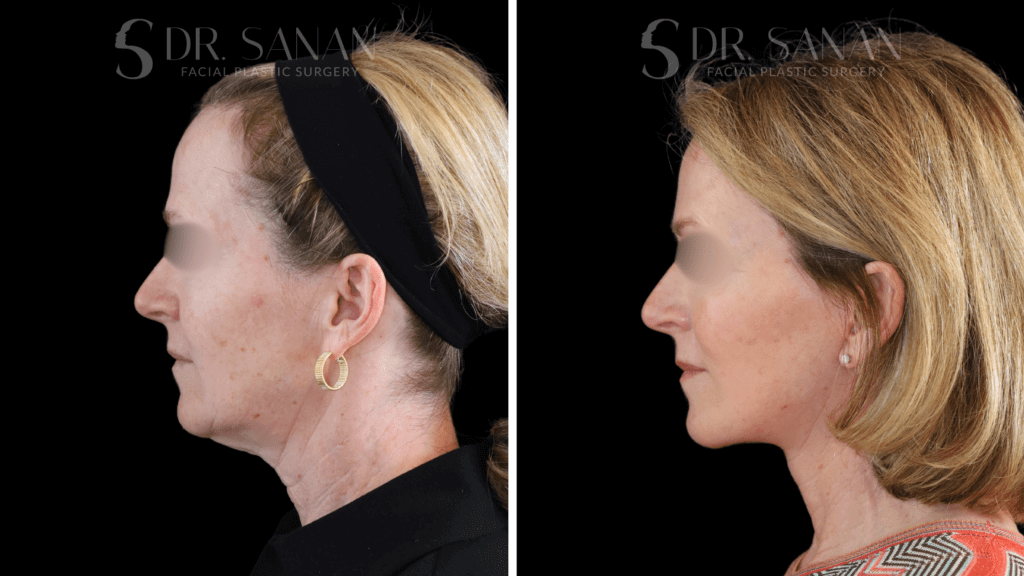
Dr. Sanan is renowned for providing highly specialized, precise surgical techniques for both facial rejuvenation and rhinoplasty. As a double-board-certified facial plastic surgeon, Dr. Sanan utilizes surgical techniques that lead to better outcomes for his patients. He focuses on comprehensive facial rejuvenation by combining treatments including deep plane facelifts, neck lifts, brow lifts, and eyelid surgery, based on the exact needs of each individual patient. These tailored treatment plans are built on a deep understanding of how each area of the face and its associated surgical technique complement each other.
Through these advanced techniques, Dr. Sanan’s patients are able to limit downtime, have improved recoveries, and receive natural, timeless results that last longer. Our ideal surgical candidates are patients who are not interested in the over-the-top plastic surgery look, but want to be recognizable and refreshed.
We urge patients to be wary of marketing buzzwords in this facial surgery industry. For example, many surgeons use terms like “deep plane” or “vertical facelift” because these techniques have exploded in popularity due to the outstanding results patients have had. That said, while many surgeons use these terms, they don’t always actually use those techniques. The surgical techniques Dr. Sanan uses at his Boston practice are incredibly precise, require significant training and experience, and are used by a small fraction of facial plastic surgeons nationwide. In this guide, we will cover what these techniques are, how they are accomplished, and the specific benefits they hold over the traditional surgical techniques.

The terms “deep plane” and “vertical facelift” have become exceedingly popular on social media, and for good reason. Patients who have actually received these treatments get results that speak for themselves. That said, because this is not a standardized brand, countless plastic surgeons mention “deep plane” techniques on their websites and social media accounts while not providing this technique to their patients. A true deep plane facelift requires the surgeon to operate on the deeper layers of the face, including releasing facial ligaments, instead of just working on the skin.
The deep plane technique is Dr. Sanan’s preferred method for performing facelifts and neck lifts and is a key part of his full facial rejuvenation treatments. Many of his patients have received a combination of deep plane facelifts & neck lifts with blepharoplasty, brow lifts, laser skin resurfacing, or other procedures as part of a customized full facial rejuvenation plan. By understanding how each of these procedures works together, Dr. Sanan promotes natural-looking results. By comparison, patients who work with facial plastic surgeons who only focus on one area of the face can sometimes have results that are less seamless.
| Surgical Techniques | Deep Plane Facelift | Traditional SMAS Facelift |
|---|---|---|
| The Key Difference | Addresses deeper layers, including muscles and ligaments, so the entire facial structure is moved together. | Pulls on the skin, which can create tension between layers of the face, creating a “stretched” look. |
| Recovery | Recovery time is longer since a true deep plane facelift involves working on the deeper layers of the face. Usually requires 2-3 weeks of social downtime, with patients returning to work two weeks after their treatment. | Traditional facelifts have a slightly faster healing process since only the superficial musculoaponeurotic system (SMAS) is affected. |
| Results | Produces natural-looking results, where patients look like themselves but with a fresh, rejuvenated face and neck. The surgeon’s goal is to restore a youthful look and avoid fake-looking results. Results typically last 10 to 15 years. | When people imagine that stereotypical plastic surgery result where a patient’s face looks stretched and pulled, they are thinking about a traditional SMAS facelift. This technique runs the risk of creating a “wind-swept” stretched look since it is not addressing the deeper layers of the face/neck. Results typically last 5 to 10 years. |
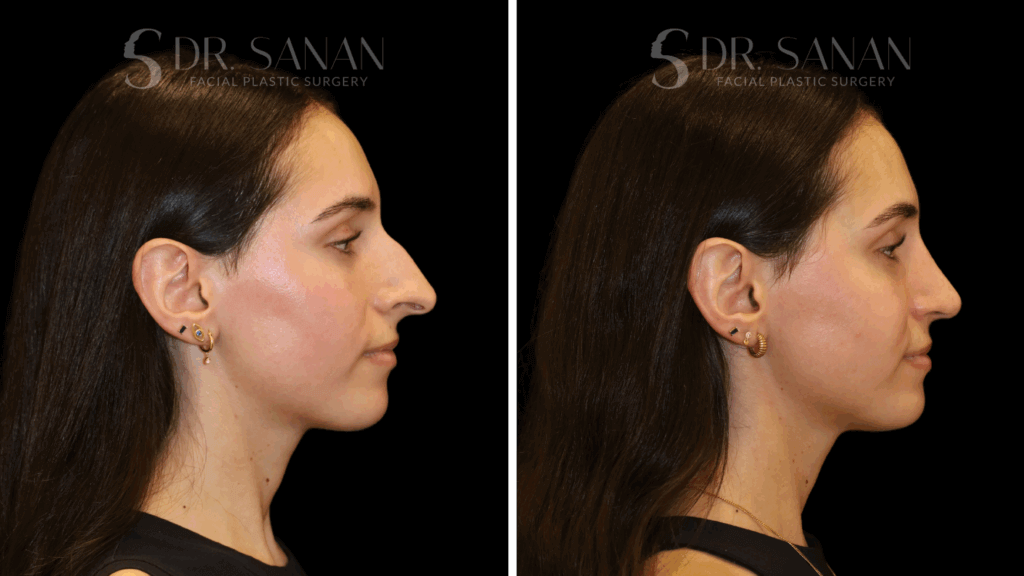
Traditional rhinoplasty is often referred to as a “hammer and chisel” rhinoplasty. This is because the surgical tools used to reshape the structure of the nose truly resemble a hammer and a chisel. Dr. Sanan opts for Ultrasonic Piezo Rhinoplasty, which uses high-frequency sound waves to vibrate and sculpt nasal bones. Comparatively, this technology allows Dr. Sanan to be significantly more precise and improves recovery timelines.
Dr. Sanan utilizes cutting-edge technology and treatment techniques to ensure that his patients receive the results they are looking for. Ultrasonic Piezo Rhinoplasty treatments are coveted because of their precise results and decreased facial swelling and bruising.
| Surgical Technique | Ultrasonic Piezo Rhinoplasty | Traditional Rhinoplasty |
|---|---|---|
| The Key Difference | This advanced technology uses ultrasonic vibrations to precisely sculpt nasal bones without needing to damage the surrounding tissue. It allows for selective cutting of bone and cartilage and is extremely precise. | The traditional rhinoplasty technique involves breaking and reshaping nasal bones with a surgical hammer and chisel. This can lead to bruising, collateral trauma, and in some cases, bone splintering. |
| Recovery | Patients who receive Ultrasonic Piezo Rhinoplasty experience significantly less swelling and bruising, and heal faster. | Because the traditional method can harm surrounding tissue, patients are more likely to experience swelling and bruising and will require more downtime for initial recovery before returning to work and daily activities. |
| Results | The Ultrasonic Piezo Rhinoplasty technique provides greater precision down to millimeter-level adjustments, and is ideally suited for reducing dorsal humps (the bridge of the nose) or narrowing a wide bridge. | Traditional methods are more effective for modifying cartilage, but are not as effective for dorsal hump reduction or bone narrowing. Surgeons who provide Ultrasonic Piezo Rhinoplasty can actually combine both methods as a patient needs. |